Jan 12, 2026
5 min read
How Darts Became the Sport Marketing Forgot to Ignore
Darts went from pub pastime to $4.5M sponsorship goldmine. The Ally Pally atmosphere and Luke Littler effect prove authenticity beats polish every time.
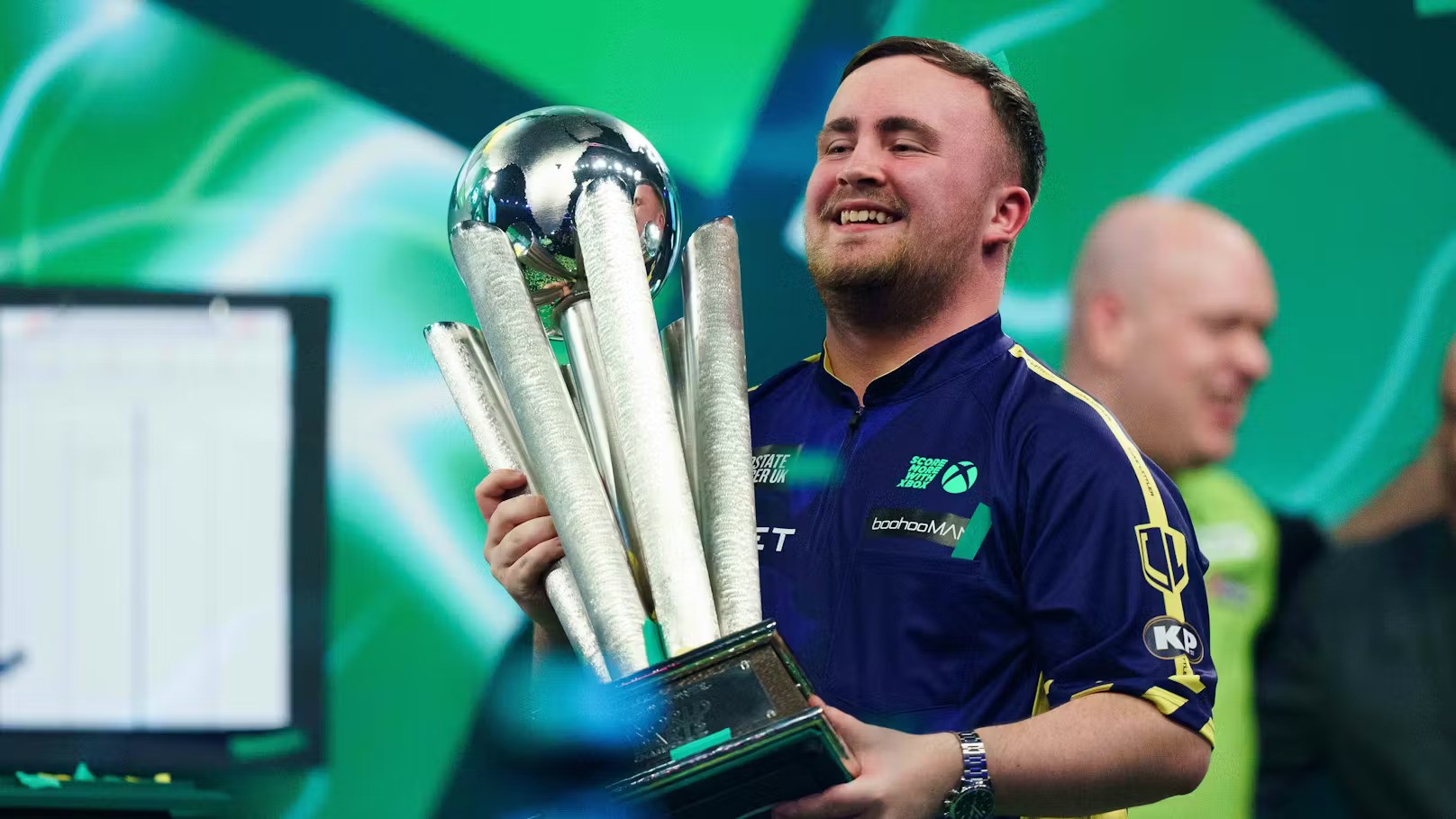
During the PDC World Championship this past festive season, I became obsessed with the sport. The Ally Pally atmosphere was unmatched. The fairytale story of the Singapore Slinger making it past round one, Chase The Sun by Planet Funk, the walkouts and the absolute madness that filled the room every time the camera panned to the crowd after a "180" shout from the ref. It got me hooked from the beginning to the end.
Turns out I'm not alone. Darts just pulled off one of the most impressive marketing transformations in modern sports without losing what made it great in the first place.
The 2024/25 PDC World Championship final hit 4.8 million viewers. That's Sky Sports' highest-rated non-soccer broadcast ever. In Germany, viewership jumped eightfold since 2008. Matches up to the semi-finals averaged 471,000 viewers, a 39% year-on-year increase. All 90,000 tickets sold out in 15 minutes.
The championship generated an estimated $4.57 million in sponsorship revenue from brands like Winmau, Foster's, and Falken Tyres. Sky Sports doubled down with a £125 million broadcast deal running through 2030.
This exponential growth? This is what happens when a sport actually understands what audiences want.
Why Darts Works (And Most Sports Don't)
Darts didn't sanitise itself for television. The crowd still drinks. Fans still show up in ridiculous costumes. Players walk out to entrance music like it's WWE. The working-class pub roots are still there, just broadcasted to the world.
Matches last 20-30 minutes. Perfect for social media clips. Perfect for short attention spans. You can watch a full match on your lunch break. Try that with a three-hour baseball game…
Luke Littler is 18 and already a household name in the UK. The PDC lets him be himself. They're not managing him into corporate blandness.
Women compete directly against men at the highest level. Fallon Sherrock became the first woman to win a PDC World Championship match in 2019 and instantly became one of the sport's biggest draws. When was the last time tennis or golf made that easy?
The PDC is privately owned, which means they can actually make decisions fast. No committee votes. No decades-old rules nobody remembers why they exist. When they see something working, they scale it.
The Littler Effect
Luke Littler's run to the 2024 final sparked an 83% increase in ticket demand for the championship. His impact on youth participation has been massive. Darts academies are seeing floods of new young players. Women's world number one Beau Greaves said it straight: "It's had a huge impact on young boys and girls."
That's what happens when you get the marketing right. Littler isn't a manufactured celebrity. He's a 18-year-old kid who's genuinely brilliant at darts, and the PDC had the sense to let that story tell itself.
What Other Sports Are Missing
Most traditional sports are stuck trying to be "premium." They're chasing wealthy sponsors and raising ticket prices and wondering why younger audiences don't care.
Darts took a different path. They kept the sport accessible in atmosphere, in price point and vibe. Then they packaged that accessibility for TV without stripping out the chaos that makes it fun to watch.
The Ally Pally crowd isn't polite. They're loud, drunk, dressed like cartoon characters, and completely invested in every dart. That chaos is the entire selling point. Sky Sports didn't pay £125 million for a refined, family-friendly product. They paid for spectacle. For personality. For something that feels alive.
Darts is winning because it stayed true to what it was and found the right partners who got it. The sponsorship mix makes sense. Beer brands, tyre companies, darts equipment manufacturers. These aren't luxury watch brands slapping logos on everything. They're brands that understand the audience and fit the environment.
The broadcast strategy is smart too. Sky locked in exclusivity but didn't bury the sport behind paywalls completely. Clips circulate on social media. Highlights get shared. New fans discover it organically, then get hooked. The PDC figured out what a lot of sports haven't: authenticity scales better than polish.
Where Darts Goes Next
Right now, darts is still primarily UK-centred. But there's real growth happening in Australia, Germany, and parts of Asia. The 71-year-old Singapore Slinger, Paul Lim, became the oldest player to win a match at the PDC World Championship if there's ever proof the sport's appeal is crossing borders and generations.
The challenge for darts is keeping this momentum without losing what makes it special. The temptation will be to go upmarket, to chase "respectability," to tone down the crowd and make it more palatable for corporate sponsors who don't get it. That would kill it.
The PDC's smartest move is staying exactly where they are. Loud, chaotic, accessible, and unapologetically themselves. The numbers prove it works. The Sky deal proves it's sustainable. Ally Pally getting sold out in 2 minutes prove people want it.
The World Darts Championship isn't just a festive sporting event anymore. It's a case of in knowing your audience and giving them exactly what they want. No apologies, no sanitising, no committee-approved blandness.
Now, off to buy myself a dartboard to go pro in a sport I might actually have a chance in…

Written by
Ning Choi
Ning Choi is a Perth-based marketer writing about sports business, digital marketing and AI. Recently awarded Best Pitch Presenter from the WA Jumpstart program, he also covers football for Extra Time Magazine and contributes to The Marketer News. He's passionate about storytelling that cuts through the noise.