Jan 5, 2026
2 min read
Instagram Is Moving to the Lounge Room
Instagram launches its first TV app just before Christmas. Here's what this means for content quality and why Meta is keeping you in the algorithm loop.
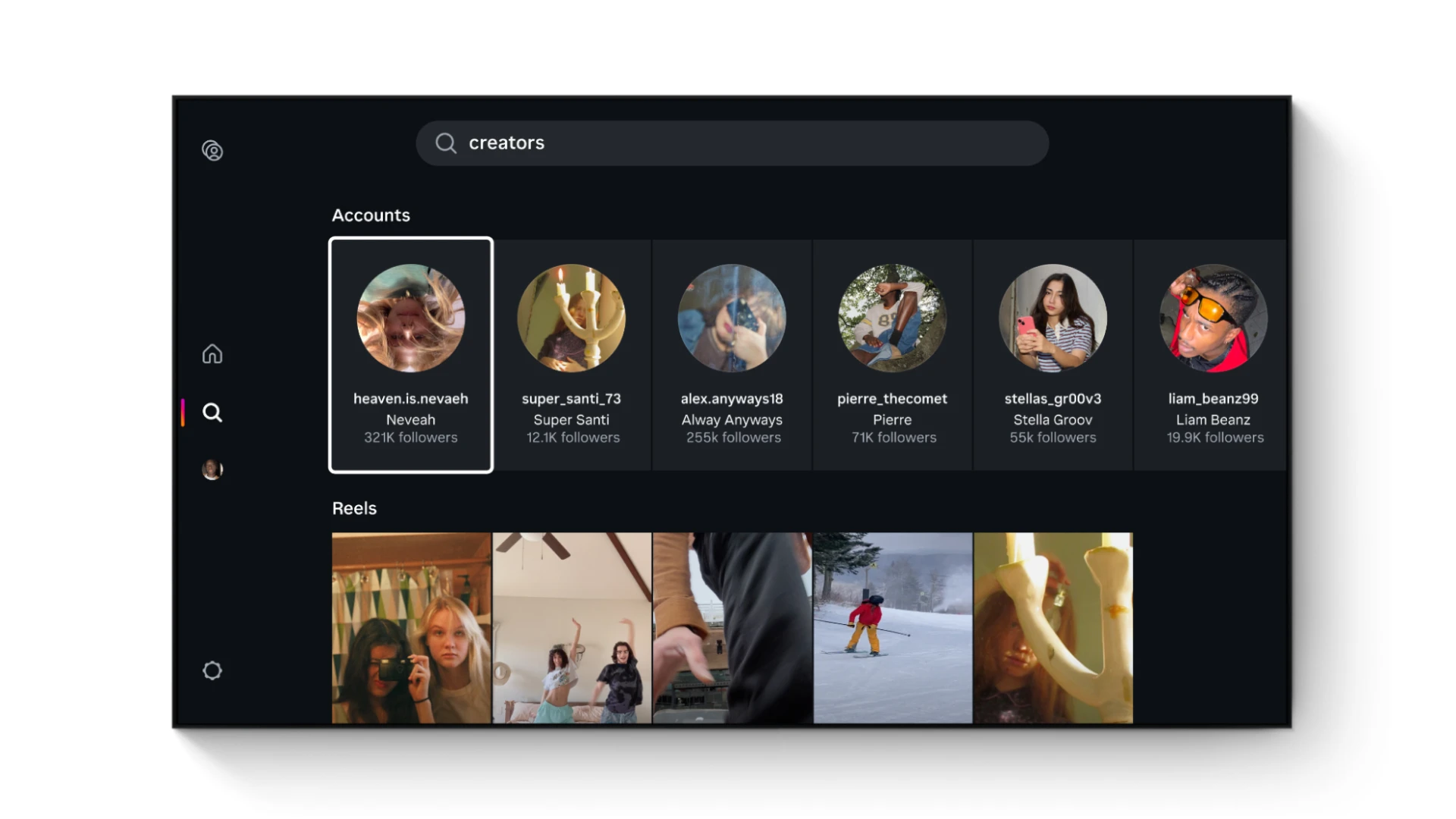
Instagram is officially moving to the lounge room. Just before Christmas, Meta launched Instagram for TV—a dedicated app that brings Reels to the biggest screen in your house. For a platform that's lived exclusively in our pockets since 2010, this is a significant shift.
The app is currently available on Amazon Fire TV devices in the US. People were already mirroring their phones to TVs to watch Reels together, so Instagram built the product gap they'd been hacking around. The TV experience is built for lean-back viewing: Reels organised into channels based on your interests, autoplaying without the endless scroll. Up to five accounts per household, each with their own personalised feed.
I think we're about to see the rise of "social length, TV quality" content. Reels will still be vertical, still under three minutes, but displayed on 4K screens where grainy phone footage looks exactly that…grainy. The production bar is quietly being raised. Audio shifts too. On mobile, heaps of users watch with sound off. Care for sound will be important for those on TV.
Here's what I find most interesting about the timing. Weeks before launching Instagram for TV, Meta rolled out "Your Algorithm," a tool letting users see and adjust the topics driving their Reels recommendations. I suspect these moves are deeply connected. By giving users direct control over their algorithm, Instagram builds cleaner interest profiles. When those profiles translate to a TV app where content needs to be more curated, having users who've actively defined their preferences becomes incredibly valuable.
Meta is deliberately keeping us in the same loop. Mobile training the algorithm, TV benefiting from that training.
Instagram is going to be competing for TV time against YouTube, which clocks over a billion hours of TV viewing daily. A clear shift in consumption patterns will move the needle for the format of content in 2026.
After all, social media has always been about meeting people where they are. Turns out, a lot of us are on the couch.

Written by
Ning Choi
Ning Choi is a Perth-based marketer writing about sports business, digital marketing and AI. Recently awarded Best Pitch Presenter from the WA Jumpstart program, he also covers football for Extra Time Magazine and contributes to The Marketer News. He's passionate about storytelling that cuts through the noise.